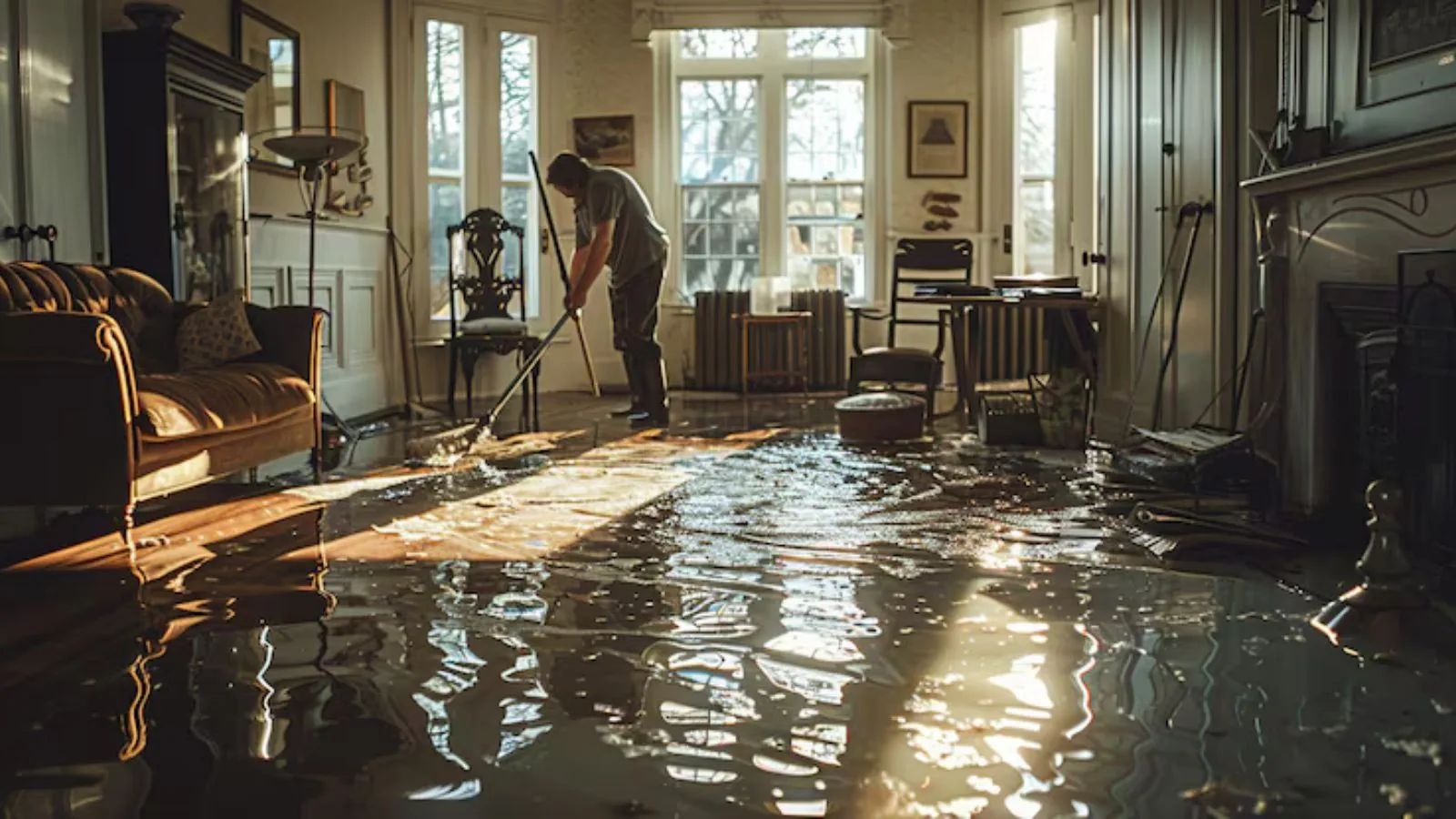
Emergency water extraction in Attleboro, MA means removing standing water with submersible pumps and extraction units before it soaks into subfloors, wall bases and furniture. The phone line is answered 24/7, including nights and holidays, because water does its damage on its own schedule.
Extraction is the first physical step, not the last. It removes bulk water so that drying equipment has less to fight, and it lets a crew see which materials are wet and how far the water traveled.
What to do: before anyone arrives
Stop the source if you can reach it safely, starting with the main water valve for a supply line failure. Keep people and pets out of any room where cords, outlets or appliances sit in water. Cut power to the wet area only if the panel is dry and reachable, and call the utility or 911 for any electrical or gas concern before you call the restoration line.
Lift small items onto counters, photograph the waterline and anything that is wet, and leave heavy furniture where it is so that nothing is dragged across a soaked floor.
Extraction practice follows the water categories in ANSI/IICRC S500.
When standing water is an emergency
A quarter inch of water over a 1,000 square foot floor is about 156 gallons, and at roughly 8.3 pounds a gallon that is more than 1,300 pounds of water pressing into whatever it touches. Drywall wicks that water upward well above the visible line, and cabinet kicks, baseboards and carpet pad hold it long after the surface looks dry.
The EPA advises drying wet materials within 24 to 48 hours because mold has far less chance to start in that window. That is the practical deadline behind the word emergency on this page.
How the water gets removed
Depth and floor type decide the equipment. Several inches in a basement calls for submersible pumps and discharge hose. A wet carpeted room calls for a truck-mounted or portable extraction unit with a weighted wand that pulls water from the pad as well as the fibers. A kitchen or bath floor with a thin film is handled with a wet vacuum and squeegee.
Once the bulk water is out, moisture meters and thermal imaging show where water remains inside walls and under flooring. That reading, not the look of the floor, decides what stays and what is removed.
Make safe
Source stopped, power risks checked, photos taken.
Pump and extract
Pumps for depth, extraction units for carpet and pad.
Remove wet material
Unsalvageable pad, baseboard and wet insulation come out.
Hand off to drying
Air movers and dehumidifiers take over from here.
Water category changes the plan
ANSI/IICRC S500 sorts water by what it carries. The category shapes which materials can be saved and what protective gear a crew wears.
| Category | Typical source | What it means for the job |
|---|---|---|
| Category 1 | Broken supply line, tub overflow with clean water | Most materials can be dried in place if the water is addressed quickly. |
| Category 2 | Washing machine or dishwasher discharge, sump overflow | Carpet pad is usually removed and surfaces are cleaned before drying. |
| Category 3 | Sewage, river or storm flood water | Porous materials are removed and the area is treated as contaminated. |
Water that sits can move up a category, so a Category 1 loss left for days is treated differently from one caught early.
Pumps can start as soon as the line is answered
Tell the dispatcher the depth, the source and whether the power is on.
What changes the price of extraction
| Factor | How it changes the job |
|---|---|
| Depth and volume | More water means longer pump time and more discharge hose. |
| Access | Stairwells and finished basements slow equipment setup. |
| Water category | Category 3 adds removal, sanitizing and protective gear. |
| Materials involved | Carpet and pad, hardwood and drywall each add their own steps. |
| Drying afterward | Extraction alone rarely finishes a loss, so drying days are scoped too. |
A scope and price are explained before work starts. Describe your situation to (833) 521-1033 for a plain answer on what applies.
Insurance and extraction
Coverage depends on the cause. Sudden and accidental water from a failed supply line is often covered, flood water usually needs separate flood coverage, and sump pump failure may need an endorsement. Photos, moisture readings and an itemized scope help document the loss, and your insurer decides coverage, so check your policy.
Extraction around Attleboro
Attleboro sits on the Ten Mile River and the Bungay River, and the Massachusetts Historical Commission survey describes mill housing and older houses across the city, from Dodgeville to South Attleboro. Heavy rain in a house like that often shows up first as water in the bottom-level room, so the basement is where most pump jobs begin. A basement that stays wet after pumping is the point where basement water cleanup and flood damage restoration take over.
Crews are sent across Attleboro and to North Attleboro, Norton, Mansfield, Seekonk, Rehoboth and Plainville, and to North Dighton as well.
Common questions
Do you handle water extraction emergencies at night or on weekends in Attleboro?
Yes. The phone line is open 24 hours a day, every day, and extraction calls are taken at 3 a.m. the same way they are at noon. Describe the depth and source, and the dispatcher explains the next steps before anyone is on site.
How long does water extraction take?
It depends on depth, floor area and access. A thin film on a kitchen floor is a short job, while a flooded basement takes longer because pumping has to stop and restart as the level drops. Drying afterward is a separate stage measured in days.
Can I remove the water myself with a shop vacuum?
For a small clean spill, yes. For deeper water, carpeted floors or anything from a sewer or river, a household vacuum cannot reach the pad and is not safe to use around contaminated water. Keep the vacuum away from wet outlets either way.
Will the floor be dry once the water is gone?
No. Extraction removes the water you can see. Moisture stays in subfloors, wall cavities and carpet pad until drying equipment and monitoring finish the job.
Do you pump out yards or pools?
No. Extraction here means removing water from the inside of a home or building. Pumping a yard, a pool or other outdoor ground is a different kind of work.