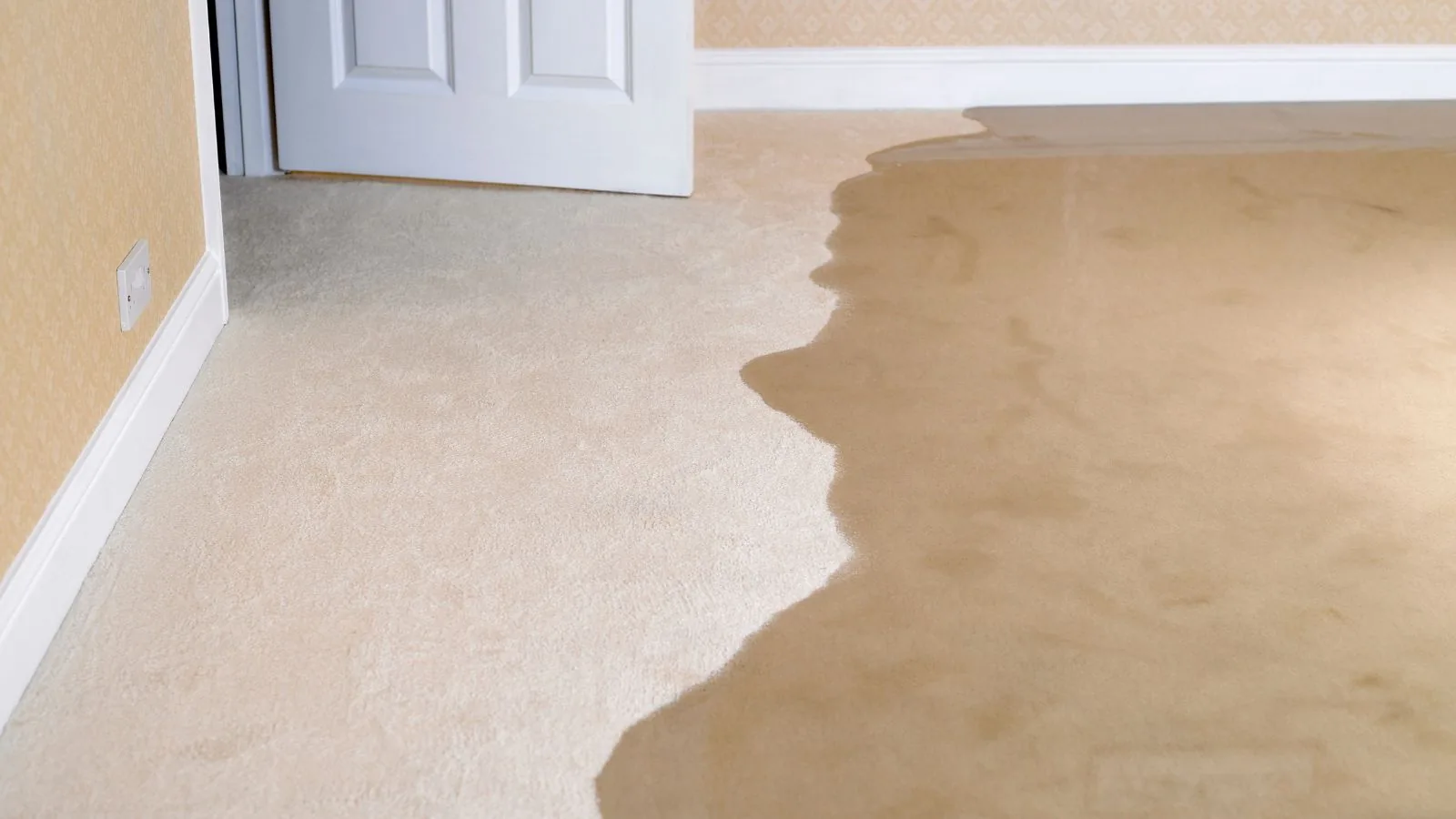
Carpet water damage restoration in Attleboro, MA depends on one question first: what kind of water got into the carpet? Clean water from a supply line or an appliance can often be extracted and dried. Water from a sewer, a river or a long-standing leak carries contamination, and carpet and pad that took it up are generally removed.
Once the category is known, the steps are straightforward. Extract the water, dry the carpet, pad and subfloor, and confirm with readings that the structure under the carpet is dry too.
Can the carpet be saved?
| Situation | Usual outcome |
|---|---|
| Clean water, caught early | Carpet is often lifted, dried in place or off the floor and reinstalled |
| Clean water that sat for days | Carpet may survive, pad is more likely replaced, mold risk rises |
| Gray water from a washer or dishwasher | Carpet may be cleaned and treated, pad is usually replaced |
| Sewage or flood water | Carpet and pad are removed and discarded |
The water category under ANSI/IICRC S500 guides these choices.
The pad and the subfloor
Padding acts like a sponge and is inexpensive to replace compared with the time needed to dry it, so it is commonly removed even when the carpet is kept. The subfloor underneath, whether plywood or concrete, is then dried and measured before anything goes back.
Carpet tack strips and baseboards are checked as well, since they sit where water collects at the edges of a room.
How the work runs
Extract
Truck-mounted or portable units pull water from carpet and pad.
Lift and inspect
Carpet is peeled back so the pad and subfloor can be checked.
Dry
Air movers and dehumidifiers dry the carpet and the subfloor.
Verify
Readings confirm that materials are at a dry standard before reinstalling.
Not sure if the carpet is worth saving?
Call and describe the water source and how long the carpet has been wet.
What to do on wet carpet
Stop the source and keep walking to a minimum. Lift furniture legs off the carpet and place foil or blocks under them so stain does not transfer.
Do not run a household vacuum on soaked carpet. If the water came from a sewage backup or outside flooding, keep people and pets off it and say so when you call.
ANSI/IICRC S500 is the reference for deciding whether wet carpet and pad can be dried or replaced.
What happens to the carpet during drying
When carpet can be saved, it is often lifted at a corner and floated on air so the pad and subfloor dry beneath it. Specialty equipment injects air under the carpet, and dehumidifiers run in the room. The carpet is then stretched back into place once readings are dry.
Berber and loop carpets, wool and carpets over concrete behave differently, so the crew checks the backing and the tack strip before deciding. Carpet that delaminates, stains from the backing or smells of sewage is generally replaced.
Mold and odors in wet carpet
Wet carpet is one of the most common places for musty smells to start. The EPA advises that porous materials that stay wet more than a day or two may be hard to clean completely, which is why speed matters.
If a musty odor remains after drying, the cause may be pad, subfloor or a wall base that was missed. The mold remediation page explains what is done if growth is found.
What affects the scope
| Factor | How it changes the job |
|---|---|
| Water category | Clean, gray and black water lead to different outcomes. |
| Carpet type | Wall-to-wall, area rugs and carpet tile each need a plan. |
| Time wet | Longer exposure lowers the chance of saving the pad. |
| Subfloor | Concrete and wood dry at different rates. |
| Basement carpet | Below-grade rooms add humidity and wall considerations. |
A written scope with the price comes first. For questions, call (833) 521-1033.
Insurance and carpet
Carpet and pad are usually claimed as part of the loss. Keep a sample of the carpet and photographs of the room and ask your insurer how it values flooring. Coverage depends on the cause of the water.
Carpet in Attleboro basements and bedrooms
Basements finished with carpet are common in the region, and they are where wet carpet most often hides. Wall-to-wall carpet in bedrooms and living rooms takes up water from upstairs leaks that travel through ceilings.
Wet carpet in Plainville, Norton and Seekonk gets the same first steps, and so does carpet in North Dighton. If water is still standing in the room, water extraction comes before everything else, and a flooded room with a wet slab is covered on the basement page.
Common questions
Do you replace the carpet pad?
Usually yes. Pad holds water and is inexpensive compared with the time needed to dry it, so it is commonly replaced even when the carpet is saved.
Can carpet that got wet from a flood be saved?
Generally not. Flood water is contaminated, and carpet and pad that took it up are removed.
How long can carpet stay wet before mold grows?
Growth can begin in a day or two under the right conditions. Prompt extraction and drying lower the chance but cannot promise it will not happen.
Can I rent a wet vacuum and do it myself?
For a small clean spill, possibly. For larger losses the pad and subfloor remain wet, which a household vacuum does not fix.
Can carpet be saved if the water came from a neighbor or a sprinkler line?
Sometimes. It depends on how long it stayed wet and whether the water was clean. Call and describe the source, and the crew will explain whether the carpet and pad can be dried or should be replaced.