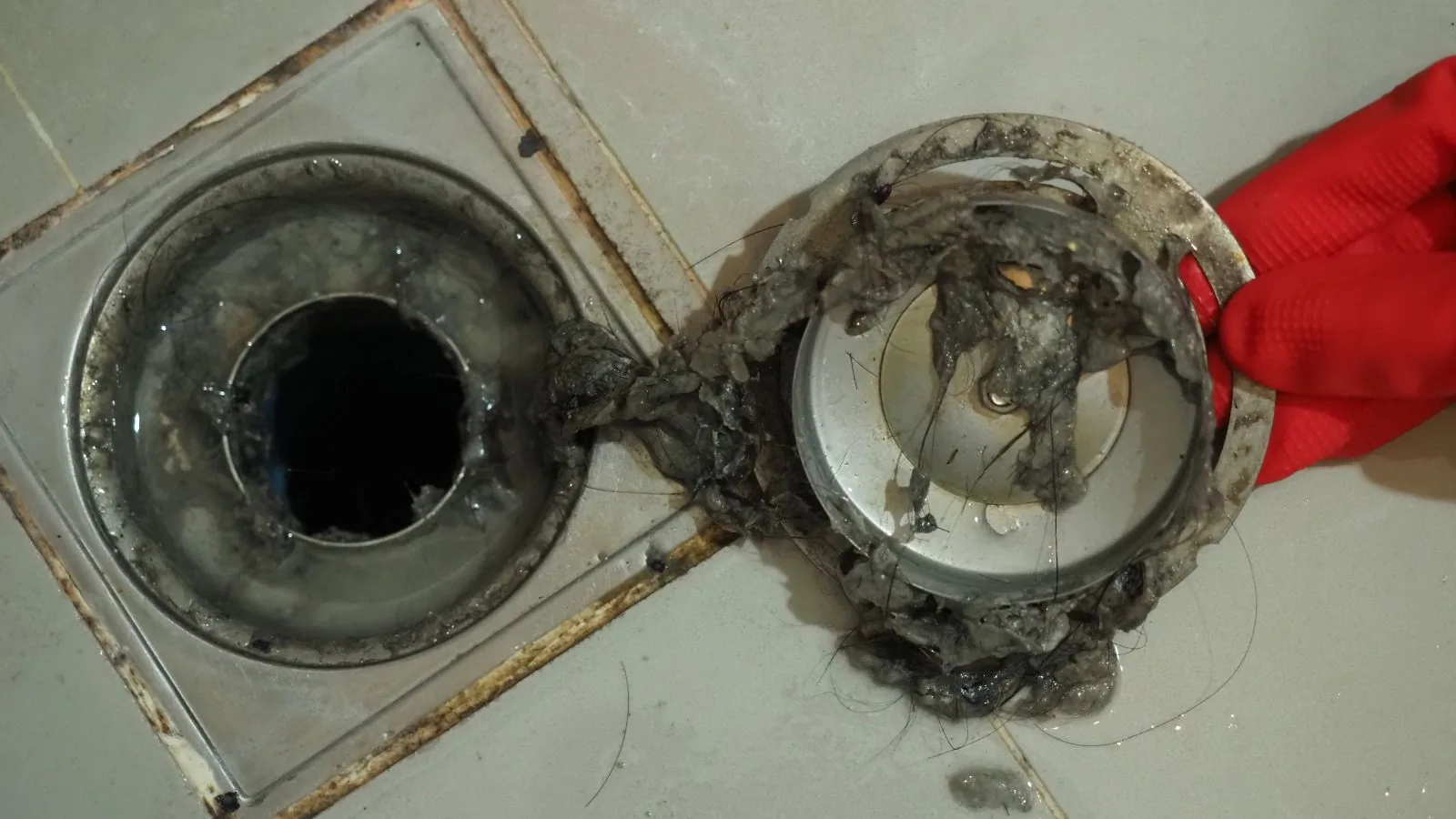
Emergency sewage backup cleanup in Attleboro, MA handles water that came up through a floor drain, toilet or sewer cleanout and carries waste with it. Under ANSI/IICRC S500, that is Category 3, and the work is done with containment, protective gear and sanitizing instead of ordinary drying.
The phone line is open 24/7. Sewage in a basement does not improve with time, so the first call should be made before anything in the room is touched.
Sewage backup: what to do first
What to do: stay out and protect others
Keep people and pets out of the room. Do not run the washer, dishwasher or showers, since they send more water into the line that is backing up. Do not use a household shop vacuum on sewage, since it spreads contamination through the exhaust.
If water covers outlets or the furnace, do not enter. Call the utility or 911 first for any electrical or gas hazard, then call the restoration line.
Sewage is classed as contaminated water under ANSI/IICRC S500, and porous materials it reached are generally removed.
Call the Attleboro sewer authority or the city public works office if the backup might come from the municipal line, since a blockage in the street main is a different problem from a clog in your own lateral.
Why sewage is handled differently
Sewage carries bacteria, viruses and parasites, and it soaks porous materials deeply. Carpet, pad, insulation and the lower part of drywall that sewage has touched are generally removed and discarded, because cleaning cannot reach what soaked into them.
Hard surfaces, concrete and framing are cleaned and treated with an antimicrobial and dried. Crews work in protective suits, gloves, boots and respirators, and use containment so the work does not spread contamination to clean rooms.
Contain
Seal off the area and protect clean rooms.
Remove
Pump liquid, remove porous materials.
Clean and treat
Clean hard surfaces and apply antimicrobial.
Dry and verify
Dry the structure and log readings.
Backup still coming up?
Call and say which drain it is coming from.
A sewage backup call is answered the same way in Attleboro, North Attleboro, Norton, Plainville and Seekonk, and in North Dighton.
What happens to belongings
Items that touched sewage are sorted into what can be cleaned and what cannot. Hard, nonporous items such as metal and glass can usually be cleaned and sanitized. Mattresses, upholstered furniture, stuffed toys and paper are generally discarded.
Photograph items before they are removed and keep a list for your insurer. The crew can help with that list and with safe disposal.
Where the backup came from
A clog in your own lateral shows up in the bottom-level drain, usually in the basement. A blockage in the municipal main can back up several houses at once. Roots, grease, wipes and collapsed pipe are the common causes, and a plumber with a camera finds which one it was.
Heavy rain can also overload combined or aging systems, and groundwater that infiltrates a sewer can push water back into houses. When the water comes from a river or runoff instead, the flood damage page applies, and the contamination rules are similar.
What shapes the scope
| Factor | How it changes the job |
|---|---|
| Volume and depth | More water means more removal and more disposal. |
| Materials touched | Carpet, pad and board are removed, hard surfaces cleaned. |
| Room use | A finished basement involves more contents and finishes than a bare one. |
| Containment | Sealing a doorway or stairwell protects the rest of the house. |
| Plumber visit | The line is cleared by a plumber, which affects timing of the cleanup. |
A scope with the price is explained before work starts. Ask about your case at (833) 521-1033.
Insurance and sewer backup
Sewer and drain backup is often excluded from standard homeowners policies unless an endorsement for water backup or sump pump failure has been added. The Massachusetts Division of Insurance suggests checking the declarations page for that endorsement. Photograph the damage, keep receipts and ask your insurer what applies.
Sewage problems in older Attleboro housing
Older neighborhoods have older laterals. The Massachusetts Historical Commission survey describes development from the early industrial period through the streetcar era, and a house with a lateral that predates modern materials is more likely to have roots or a worn joint. That is an inference about age, not a figure about local backups.
A sewage backup is handled with the same containment steps in Plainville, Norton and Mansfield, and in North Dighton. A flooded basement that also has sewage is described on the basement water cleanup page.
Common questions
Do you handle sewage backup emergencies at night or on weekends in Attleboro?
Yes. The line is open 24/7. A backup after a heavy rain or a blocked line can happen at any hour.
Can I clean up a small sewage backup myself?
It is not recommended. Sewage carries pathogens and soaks into porous materials, and protective gear and proper disposal are needed. Keep people and pets out until it is handled.
Will my carpet be saved?
Carpet and pad that sewage touched are generally removed. Cleaning cannot reliably remove contamination from them.
Who is responsible for the sewer line?
The homeowner typically owns the lateral from the house to the connection, and the municipality owns the main. A plumber can tell which section failed.