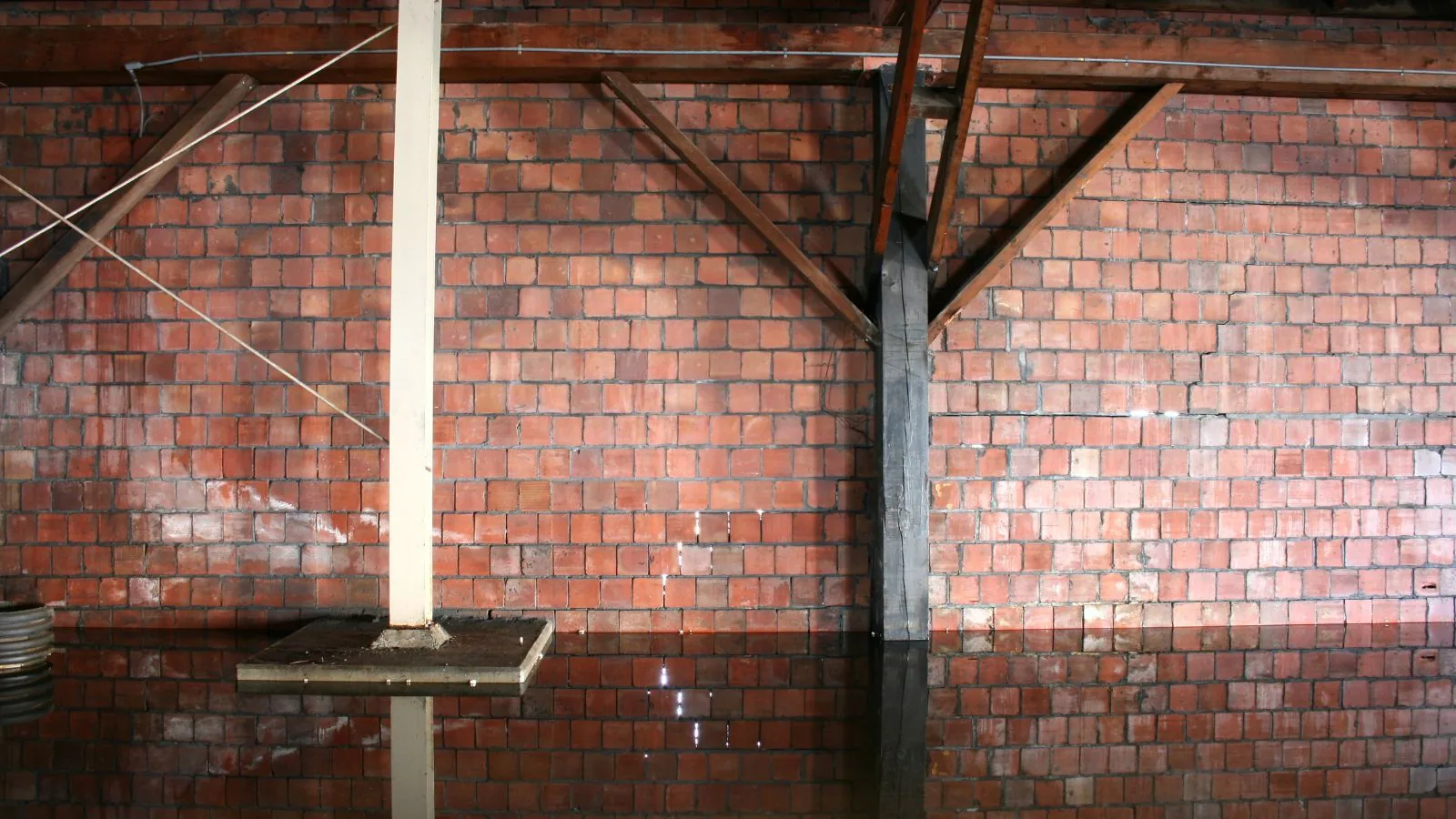
Emergency commercial water damage in Attleboro, MA starts with a different set of questions from a home. Who is in the building, are utilities on, is stock or equipment at risk, and when does the business need to reopen? The 24/7 phone line takes these calls the same way it takes residential ones.
Commercial losses involve larger floor areas, sprinkler and fire protection lines, shared walls with neighbors and tenants, and often a landlord and an insurer at the same time.
What to do: first steps at a business
Close the main water valve or the zone valve if it is safe to reach. Turn off electrical equipment in the wet area, and call the utility or 911 for any electrical hazard. If a fire sprinkler discharged, call the fire department.
Move stock, paper records and electronics off the floor if it can be done safely, and photograph the loss before moving anything. Note the time the leak started and the time it was found.
Commercial jobs follow the same ANSI/IICRC S500 categories and documentation practice as homes.
When water at a business is an emergency
Water in a commercial building spreads through ceiling plenums, floor slabs, shared walls and stairwells, and it reaches inventory, carpet tiles, drywall and electrical gear. Each day it stays wet increases the amount of material that must be replaced and the length of the closure.
The same ANSI/IICRC S500 categories apply as in a home. A pipe burst in a break room is Category 1, a grease trap overflow or restroom backup is higher, and flood water entering from outside is Category 3.
Typical commercial sources
| Source | Common result | First priority |
|---|---|---|
| Domestic supply line | Water through ceiling tiles and into stock rooms | Close the valve, protect inventory |
| Fire sprinkler discharge | Large volume across a floor and below | Fire department clearance, then pumping |
| Roof or drain failure | Water through the roof deck into a retail or office space | Tarping or temporary protection, then drying |
| Restroom or kitchen backup | Contaminated water in a back-of-house area | Containment and sanitizing |
A multi-tenant building adds the question of which space the water came from and which it reached.
How a commercial job runs
Crews extract water, remove wet ceiling tile, carpet tile and board, and set drying equipment sized to the volume of the space. Where it is possible to work in sections, a business can keep part of the space open while another part is dried.
Large floor areas mean more equipment and more circuits, so the crew coordinates power with the building manager. Documentation is thorough, since a commercial claim usually involves a landlord, tenants and one or more insurers. The drying process itself is explained on the structural drying page.
Every day closed costs money
Call and describe the space, its use and the date you need to reopen.
What affects a commercial scope
| Factor | How it changes the job |
|---|---|
| Floor area | Equipment count and drying time grow with area. |
| Construction | Slab, wood floor, masonry or steel framing dry differently. |
| Contents and stock | Inventory is moved, protected or documented. |
| Business hours | Work around opening hours can add time. |
| Multiple parties | A landlord, tenants and insurers add coordination. |
A written scope and price are explained before work starts. A manager with a loss can talk it through at (833) 521-1033.
Insurance for businesses
Commercial property policies address water loss differently from homeowners policies, and business interruption coverage is a separate question. The Massachusetts Division of Insurance notes that standard commercial policies do not cover flood. Ask your insurer and your landlord who carries what, and keep detailed photos, readings and receipts.
Commercial space in Attleboro
Attleboro has a long manufacturing history. The Massachusetts Historical Commission survey lists mills and factories from the early nineteenth century through the early twentieth, including the Dodgeville and Hebronville mills, and the L.G. Balfour jewelry plant is now a riverfront park next to downtown. Older mill buildings have thick floors, wood framing and masonry that dry slowly.
Businesses in Plainville, Norton, Mansfield and Seekonk call the same line as those along Route 1 and in the city center, and so do those in North Dighton. Retail and office areas near City Center often share walls with neighbors.
Common questions
Do you handle commercial water damage emergencies at night or on weekends in Attleboro?
Yes. The line is open 24/7. After-hours calls are common for businesses because water is often found when a building is opened in the morning.
Can my business stay open during drying?
Sometimes. Work can be sectioned so unaffected areas stay open, depending on the layout, the water category and the equipment needed.
What if the water came from a neighbor or the unit above?
Document the damage, report it to the landlord and building manager, and tell your insurer. The cause and who is responsible are separate from the cleanup.
Do you work with property managers and adjusters?
The crew can provide photos, moisture readings and a written scope that property managers and adjusters use. Coverage and approvals are between you, the landlord and the insurer.