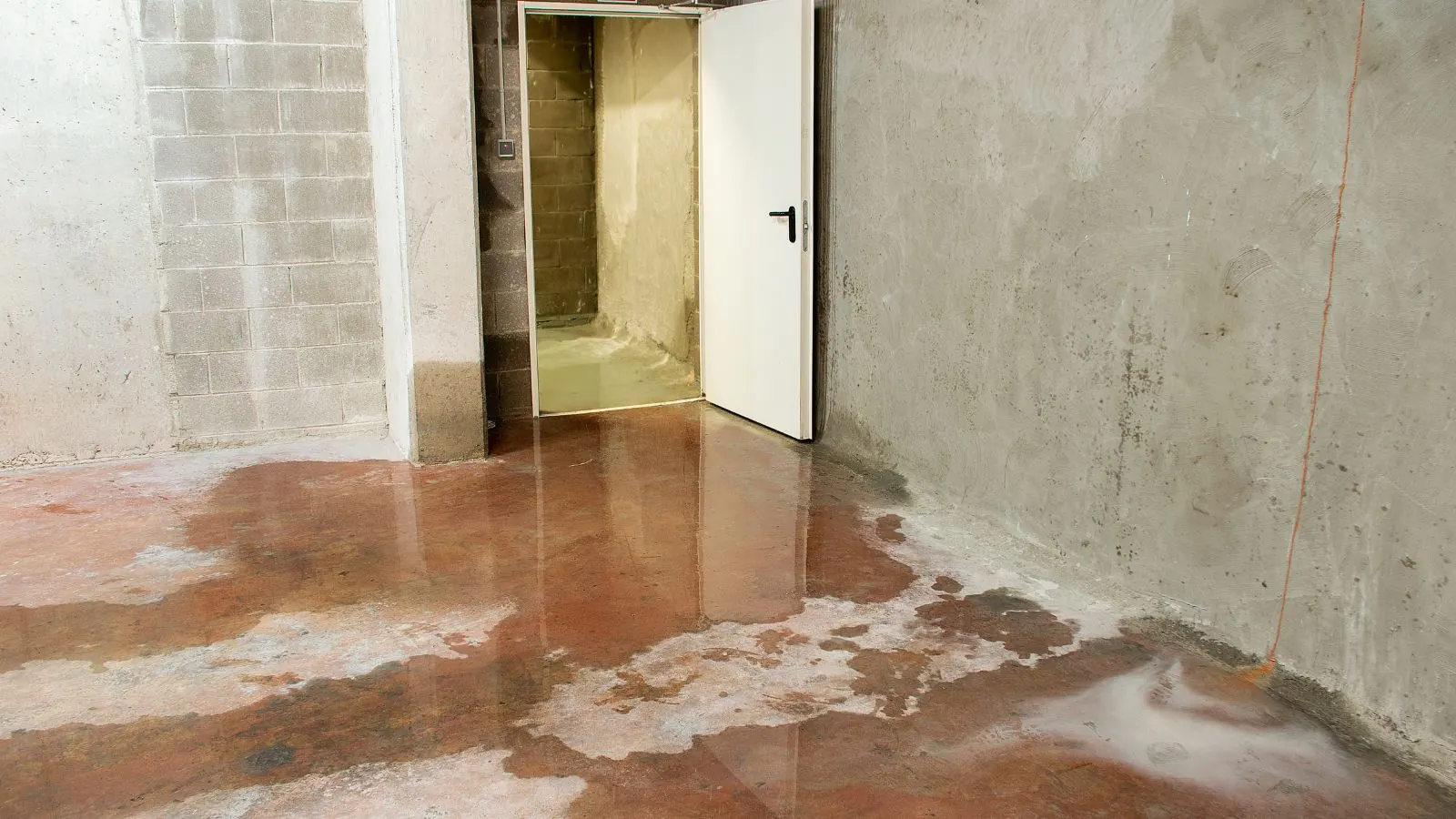
Emergency basement water damage cleanup in Attleboro, MA covers every way a lower level can take on water: heavy rain and a high water table, a burst pipe, a water heater failure, a sump pump that stopped and a sewer that backed up. The phone line is open 24/7 and takes these calls day and night.
Basements are where water collects. They hold the furnace, the electrical panel, the water heater and a lifetime of stored belongings, so what happens in the first hours matters.
What to do: before you go down the stairs
If water is deeper than the bottom of the outlets or reaches the panel, do not enter. Call the utility or 911. Do not stand in water while touching electrical equipment.
Shut off the main water valve if a pipe or heater is the source. If sewage is involved, keep everyone out and see the sewage backup page.
ANSI/IICRC S500 guides how basement water is classed, removed and dried.
When a wet basement is an emergency
Standing water ruins drywall, carpet, stored items and, if it rises far enough, mechanical equipment. Water also soaks into concrete block and the bottom of wood framing, and every added day makes the drying longer.
The cause shapes the response. Groundwater and rain are usually Category 2 or 3 because the water has passed through soil, while a supply line failure is often Category 1.
Where basement water comes from
| Source | Signs | Notes |
|---|---|---|
| Groundwater or heavy rain | Water rising at the wall and floor joint | Often contaminated and tied to weather |
| Burst or leaking pipe | Water spraying or dripping from the ceiling or wall | Usually clean at first, see the burst pipe page |
| Water heater failure | Water spreading from the heater | Tank volume floods quickly |
| Sump pump failure | Pit overflowing or pump not running | Power outages are a common trigger |
| Sewer or drain backup | Water from the floor drain | Category 3, see the sewage page |
Identify the source first, because stopping the supply or fixing the pump is not a restoration task.
How basement cleanup works
Pumps remove standing water, wet vacuums take the rest and the crew removes carpet, pad, wet insulation and the lower part of drywall that cannot be dried. Concrete and block walls are dried with dehumidifiers and air movers and monitored with readings.
Basement drying is slow because there is less natural airflow, so equipment often runs longer than in upper floors. The structural drying page describes the process, and finished-room flooring is covered on the carpet page.
Water still rising?
Call now and say how deep it is and whether the power is on.
Contents and stored items
- Move items to higher shelves if the water has not reached them and it is safe to do so.
- Cardboard, paper and fabric absorb water and mold quickly, so these are sorted first.
- Photograph belongings before discarding them for the insurance claim.
- Do not use household appliances that sat in water until they are inspected.
What affects the scope
| Factor | How it changes the job |
|---|---|
| Water depth and source | Deeper or contaminated water increases removal and disposal. |
| Finished or bare | Finished basements have more material to remove and dry. |
| Foundation type | Poured concrete and block walls absorb water differently. |
| Contents | Stored items must be sorted and documented. |
| Dehumidification time | Low airflow often means longer equipment runs. |
A written scope with the price is explained first, and (833) 521-1033 is where to ask.
Insurance and basement water
Many homeowners policies exclude groundwater and flood, and sewer or drain backup typically needs an endorsement. The Massachusetts Division of Insurance suggests checking your declarations page. A burst pipe is treated differently from rising ground water, so the source matters to the claim.
Basements around Attleboro
The city sits in the Ten Mile River watershed, and low lots near the river and its tributaries are where wet basements are more likely in a heavy rain. That is a general observation about terrain, not a claim about any specific street. The U.S. Geological Survey and the National Weather Service publish river and rainfall information for the area.
Basement water calls reach the line from Norton, Mansfield and Seekonk as well, and from North Dighton. Flooding from outside is also covered on the flood damage page.
Common questions
Do you handle basement flooding emergencies at night or on weekends in Attleboro?
Yes. The line is open 24/7. Basement water often rises during storms, so call as soon as it is safe to do so.
Is it safe to go into a flooded basement?
Not if water is near outlets, the panel or the furnace. Call the utility or 911 for electrical or gas hazards before entering.
Will my homeowners policy cover basement flooding?
Often not for groundwater or flood. A burst pipe is treated differently, and a water backup endorsement may add coverage. Ask your insurer.
How long does a basement take to dry?
It depends on materials, depth and conditions. Basements often take longer than upper floors because airflow is limited, and readings decide when to stop.
Is basement cleanup the same as waterproofing?
No. Water damage restoration removes water, dries the structure and repairs what was wet. Waterproofing changes how water is kept out, which is a different trade. If water keeps coming in after rain or from a failed sump pump, the cause needs its own fix.