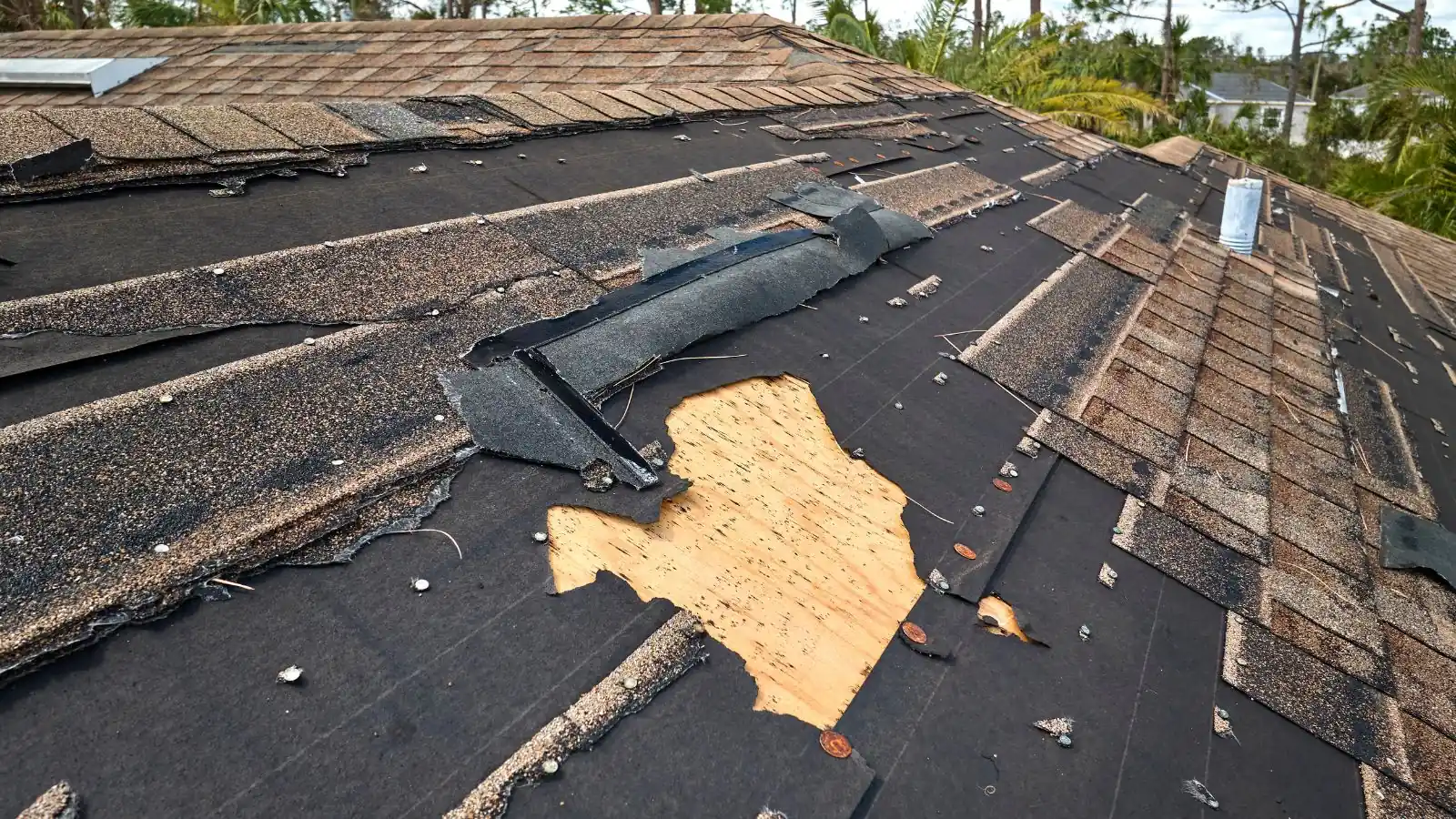
Emergency storm water damage cleanup in Attleboro, MA covers water that entered a building because wind, hail, a fallen branch or driving rain opened a path. It might be a lifted section of roof, a damaged window, a failed seal around a chimney or a wall that took the force of a nor'easter.
The phone line is open 24/7, including during and after storms. Storm damage and flood damage are different problems, and this page is about the former: water entering the envelope from above or the side, not rising from the ground.
What to do: during and right after a storm
Stay safe first. Do not go onto a roof, and keep away from downed lines and anything touching them. Call 911 or the utility for electrical hazards, trees on structures or gas smells.
Move belongings away from wet areas, put buckets under drips, and photograph the damage inside and outside when it is safe. Temporary protection such as tarping can be arranged to stop new water from entering.
ANSI/IICRC S500 guides how storm water is classed and what is removed.
When storm water is an emergency
An open roof section lets in water with each additional rain, and insulation and framing take it up. The longer it stays open, the more ceiling, wall and floor material is wetted, and the more the repair grows.
The EPA advises drying wet materials in the first day or two where possible, because mold has little time to start in that window. Storm crews are in demand, so a prompt call helps get a place in the sequence.
How storm water cleanup works
The crew locates every wet area, extracts standing water and removes saturated insulation, ceiling board and other materials that cannot be dried. Emergency measures such as tarping a roof opening or boarding a window protect the building while drying proceeds.
Drying follows the same documented routine described on the structural drying page. Water that came from the sky is usually Category 1 at the start, though rain that passed through a dirty attic or insulation can pick up contamination.
Storm, ceiling or flood?
- Rain entering through the roof and wetting a ceiling is also covered on the ceiling water damage page.
- Water rising from outside through a door or foundation belongs on the flood damage page.
- Wet basements from heavy rain are covered on the basement water cleanup page.
Roof opened up in a storm?
Call and describe where the water is coming in.
Documenting storm damage safely
Photograph the outside from the ground and the inside from dry floors. Do not climb onto a wet roof or a ladder in the wind. A zoom lens or binoculars show missing shingles and flashing without risk. Write down the time the storm passed and when you first noticed water.
If a tree has fallen on the house, call 911 or the utility for hazards first and keep everyone clear until it is made safe.
What affects a storm cleanup scope
| Factor | How it changes the job |
|---|---|
| Size of the opening | A small flashing failure is smaller than a missing roof section. |
| Rain after the damage | Additional rain increases the wet area. |
| Interior materials | Insulation, ceiling board, plaster and flooring each add steps. |
| Temporary protection | Tarping or board-up helps stop new water. |
| Roof repair | A roofer repairs the roof after protection and drying plans are set. |
A scope with the price is explained before work starts. For a question, call (833) 521-1033.
Insurance after a storm
Wind and storm damage to a roof is commonly addressed by homeowners policies, while flood from rising water is generally not. The Massachusetts Division of Insurance says to report claims as soon as possible and to take reasonable steps like tarping a roof, and to keep receipts. Check your policy and ask your insurer.
Storm weather around Attleboro
The National Weather Service forecast office that serves this area is in Norton, a neighboring town. A March 2010 storm that the National Weather Service describes as two-day rainfall of 6 to 10 inches across Rhode Island and eastern Massachusetts shows how much water a single system can deliver. That is regional history and not a claim about any one roof.
Storm damage in Rehoboth, Seekonk, Norton and Plainville gets the same response, as does North Dighton. Ask your city building department about repair permits and rules for roof work.
Common questions
Do you handle storm water damage emergencies at night or on weekends in Attleboro?
Yes. The line is open 24/7, including during storms. Say where the water is entering and whether the power is on.
Can you tarp my roof?
Temporary protection can be arranged to stop new water from entering. A roofer handles the permanent roof repair.
Is storm damage covered by homeowners insurance?
Wind and rain damage is commonly covered, while flooding generally is not. Your policy and your insurer decide, so ask.
How soon should wet insulation be removed?
As soon as it can be done safely. Saturated insulation holds water against framing and supports mold, and it no longer insulates.