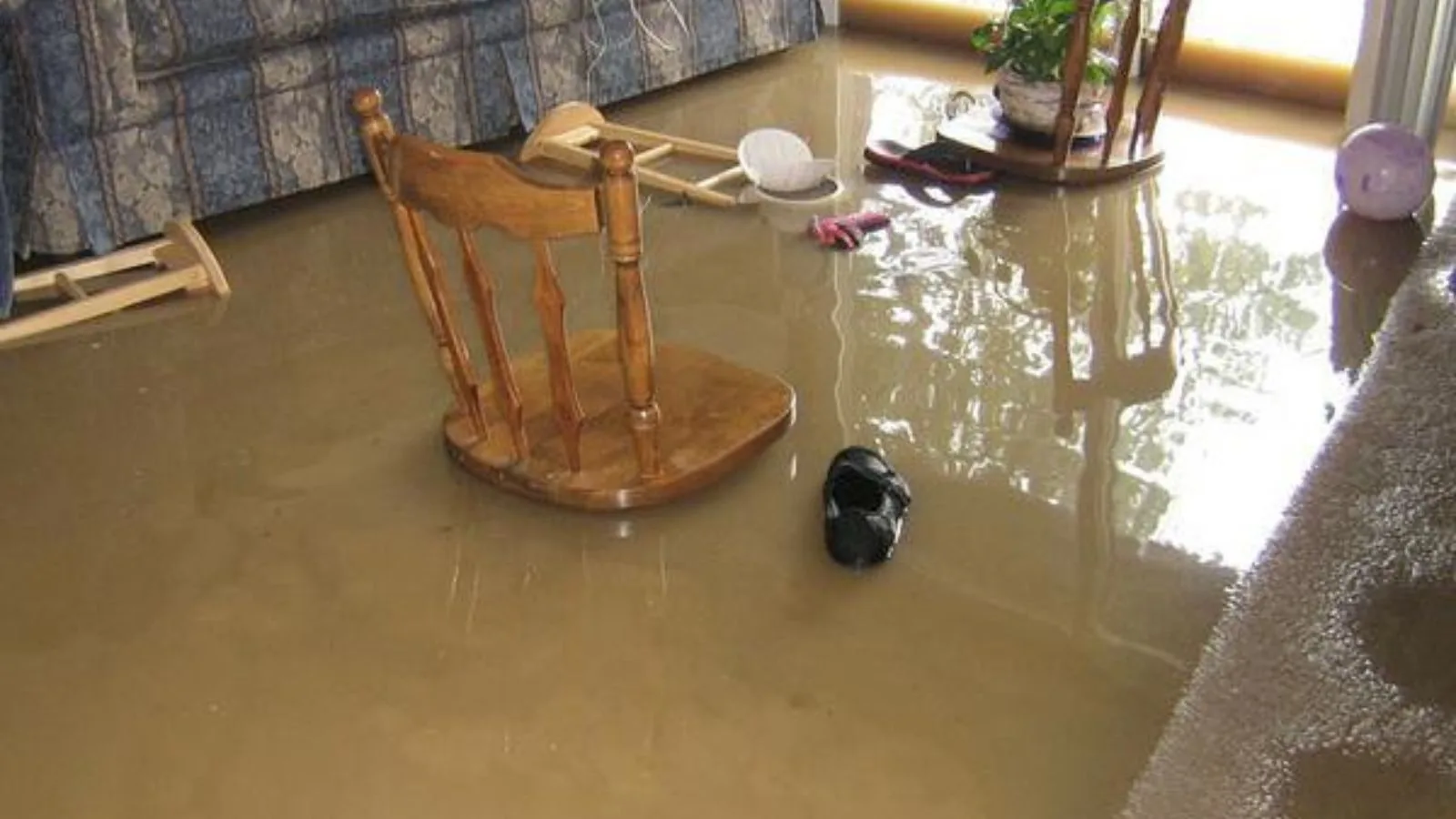
In a rental, a leak often belongs to more than one person. The tenant lives with it, the landlord owns the building, and the water may have come from another unit. The practical goal is the same for everyone. Stop the water, protect people and belongings, and get the structure dried.
This page is general information and not legal advice. Tenants and landlords with a dispute can ask a housing attorney or a local board of health.
Tenants: first steps
- Shut off the water if you can do so safely and know where the valve is.
- Keep people away from wet electrical areas and sagging ceilings.
- Photograph the damage and the source.
- Tell the landlord or property manager right away, and put it in writing.
- Move belongings and keep receipts for any losses and added costs.
- Ask whether you have renter's insurance and tell the insurer too.
Landlords: first steps
- Stop the source and arrange for the leaking part to be repaired.
- Start extraction and drying quickly, since moisture spreads between units.
- Document each affected unit with photos and readings.
- Tell your insurer and ask what is covered.
- Keep the tenant informed about access, timing and any displacement.
Where the water came from matters
| Source | Usual first contact | Notes |
|---|---|---|
| Plumbing inside the wall or building | Landlord | Building systems are the owner's responsibility |
| Another tenant's appliance or fixture | Landlord and the other tenant's insurer | Document the path and cause |
| Roof or exterior opening | Landlord | Storm and roof leaks follow the building policy |
| Tenant's own appliance | Tenant and renter's insurance | Report to the landlord too |
| Sewer backup | Landlord | Contaminated water needs professional cleanup |
These are common patterns. Leases and policies vary.
Multi-unit leak?
Call and describe which units are wet and where the water started.
Keeping records as a tenant
Write to the landlord by email or letter so there is a date on it. Describe where the water is, when you noticed it and what you did. Attach photos. Keep a copy, and keep a log of any follow up calls or visits.
If you are asked to move out for repairs, ask for the plan in writing, including how long it should take and what happens to rent for that period. Keep receipts for added costs such as hotel nights, because your renter's insurance may reimburse some of them.
Keeping records as a landlord
Document each unit with photos and readings before work begins, and keep the contractor's scope and invoices. A tenant who sees a clear plan and regular updates is more likely to cooperate with access and timing. Clear records also help when two insurers need to agree on how a loss should be shared.
If the lease or the landlord is silent
Many leases say little about water damage. When that is the case, the practical rules still apply. Report quickly, in writing, stop the source if you safely can, and keep photos. If the unit is unsafe, such as a ceiling that is sagging or an outlet in a wet area, say so clearly in the message and ask for a response by a specific day.
Tenants and landlords who work together on drying usually finish faster, because moisture does not respect who owns what. Agree on access times, on who will be present and on how updates will be shared.
Mold in a rental
Mold follows water that stays. Tenants should report water and mold promptly, and landlords should dry quickly. The mold remediation page describes how growth is removed, and the wall and drywall page explains why wet cavities matter.
A tenant who cleans a small patch may help, but the source of moisture is the owner's repair to make.
Insurance for both sides
A landlord's policy usually covers the building, and a tenant's renter's policy usually covers belongings and some living costs. Neither covers the other's property. Photograph everything and report to the right insurer.
Multi-family buildings around Attleboro
The city has many two-family and multi-family buildings, including mill housing in Hebronville and apartments near City Center. In those buildings, shared walls and stacked bathrooms mean one leak can reach several units.
The commercial water damage page describes how crews handle buildings with several parties.
What to do in a rental, step by step
Stop the source if you can do so safely, photograph the damage, and send the landlord a dated written notice. Keep a copy of every message. Drying practice on the repair side follows ANSI/IICRC S500, which a landlord or contractor can be asked to name.
Massachusetts and Attleboro: watertight housing is a state standard
The Massachusetts State Sanitary Code, 105 CMR 410, requires owners to maintain a dwelling so that it excludes wind, rain and snow, is rodent-proof and watertight, and stays clear of chronic dampness. The code defines chronic dampness as the regular or periodic appearance of moisture, water, mold or fungi.
The same code requires owners to maintain listed facilities and equipment without leaks, and it says a room below grade cannot be used as living space if it is subject to chronic dampness under the conditions it states. Local boards of health enforce the code. The City of Attleboro also lists a Certificate of Inspection program for multi-family residences, with inspection frequency set by use.
Common questions
Who pays for water damage in a rental?
It depends on the cause, the lease and the policies. Building leaks are generally the owner's to repair, and tenants' belongings are covered by their own insurance if they have it.
Can a tenant call a restoration company?
A tenant can describe the problem, but the owner usually authorizes work on the building. Tell the landlord in writing first.
What does Massachusetts say about dampness in housing?
The State Sanitary Code requires watertight dwellings without chronic dampness. Report problems to the landlord and, if needed, the local board of health.
Does a leak in one unit affect others?
Often. Water moves along walls, floors and pipes, and crews check adjoining spaces with meters and a thermal camera.