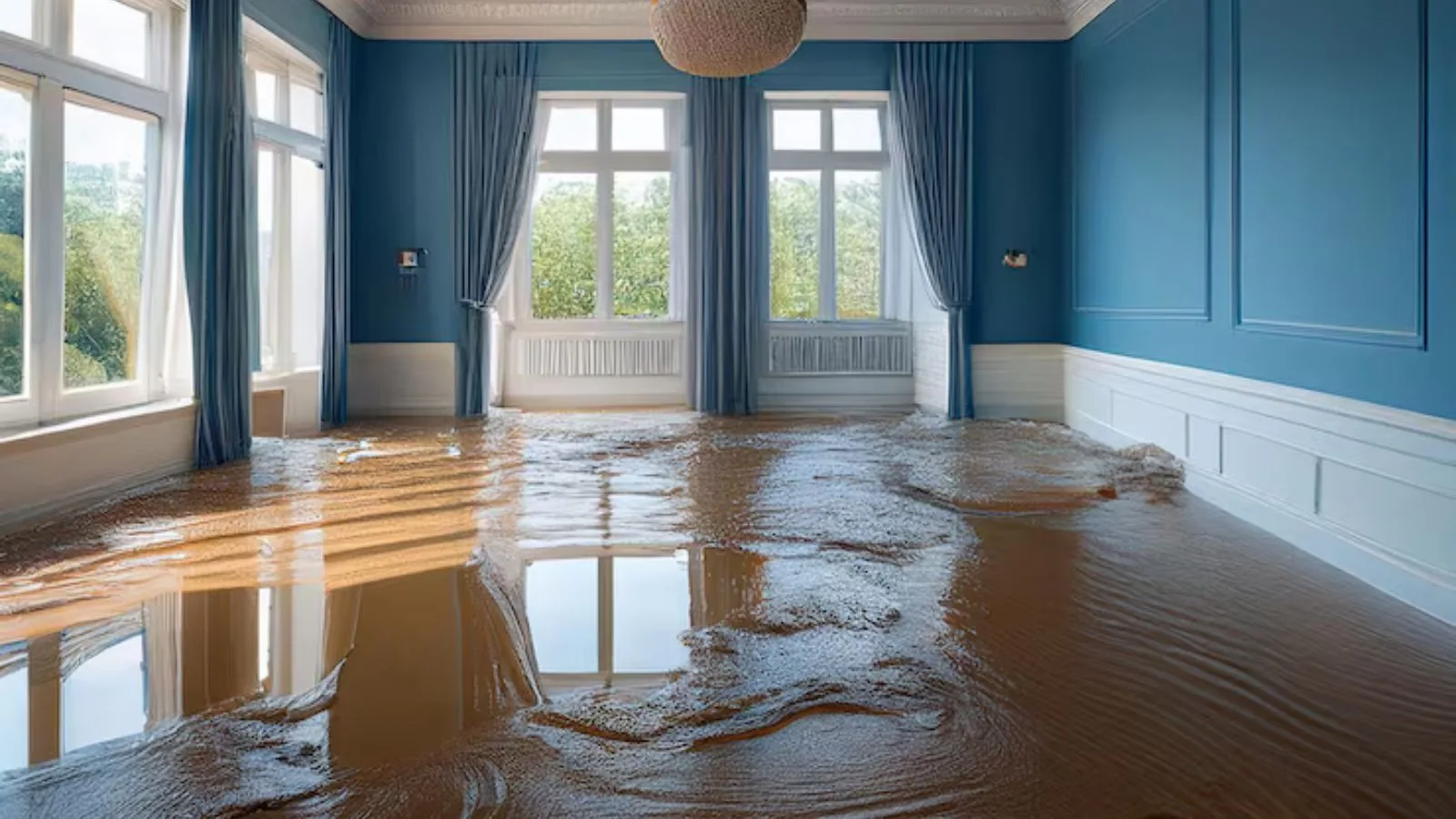
Selling a house with a history of water damage raises two questions. What should be repaired, and what must be said to a buyer? The first has practical answers. The second is a legal question, and this page does not state what the law requires. A real estate attorney or licensed agent can tell you what applies to your sale.
What this guide can do is explain how to build a record of the damage and the repair, since a clear record helps whatever the rules turn out to be.
Why buyers and inspectors look for water
Water is among the most common reasons a buyer asks for a price reduction or a repair. Stains on ceilings, a musty basement, soft flooring and uneven paint are the clues inspectors notice. The inspection report may list moisture readings and ask for a specialist.
A home that had water damage and a documented, completed repair is often easier to explain than a home with an unexplained stain.
Start the record on the day of the loss
- Photographs and video of the damage before cleanup.
- The cause, such as a burst pipe or a failed appliance, and the date.
- Invoices from the plumber, roofer or appliance technician who fixed the source.
- The drying log with moisture readings and equipment records.
- Photos of the finished repair and any permits and inspections.
- Insurance claim documents, if a claim was filed.
Drying records are a quiet advantage
A drying log with starting readings, daily readings and final readings shows that wet materials were dried and not covered up. Together with photos, it answers a buyer's first worry, which is whether moisture is still inside a wall.
The structural drying page describes the records a crew keeps, and the water extraction page covers the first steps of removal.
Repair, replace or sell as is
| Option | Why owners choose it | Trade-off |
|---|---|---|
| Repair before listing | Fewer questions, a cleaner inspection | Cost and time before the sale |
| Credit or price reduction | Buyer controls the repair | The buyer may overestimate the cost |
| Sell as is | Speed and simplicity | Fewer buyers and tougher negotiation |
| Partial repair with records | Fixes the cause, documents the rest | May still invite questions |
An agent can tell you which approach fits your market and timing.
Need documentation for a sale?
Call and ask what readings, photos and records the crew provides.
What a buyer's inspector tends to check
Inspectors look at ceilings and wall bases for stains, test for moisture with a meter, check basements and crawl spaces for dampness and efflorescence, and look at the roof and gutters. They often photograph anything unusual and write it up for the buyer.
A stain with a repair record next to it is a short conversation. A stain with no explanation can turn into a repair request or a price negotiation. If you know about an old stain, gather the records before the inspection.
Talking to your agent early
Tell your listing agent about past water damage before the listing photos are taken. The agent can advise on timing, on whether repairs should happen first and on how to present the records. An attorney can advise on what must be disclosed, which this page does not state.
A simple checklist before listing
- Gather photos, invoices, drying logs and permits into one folder.
- Check ceilings, wall bases and basement corners for new stains.
- Run a dehumidifier in damp areas and keep humidity in a normal range.
- Ask your agent whether a pre-listing inspection makes sense.
- Ask an attorney about what must be disclosed in your situation.
Mold and odors
A musty smell can sink an open house. If there was water damage, make sure drying was verified and any growth was addressed. The mold remediation page describes remediation, and the work should be documented like any other repair.
Airing out a house does not replace removing wet material. Buyers and inspectors can detect a hidden problem more easily than owners expect.
Insurance history
Insurers keep records of claims on a property, and buyers may be asked about past claims when they apply for coverage. Ask your agent how a past water claim might be seen by a buyer and their insurer. Do not rely on this page for a legal answer about what you must disclose.
Houses of different ages around Attleboro
Older houses in Dodgeville and Hebronville carry plaster and old plumbing, and a repair record explains what was updated. Newer houses elsewhere may have supply lines and appliance hoses that fail more quietly.
The burst pipe page describes common failure points, and the ceiling page covers a common stain buyers notice.
What to do before you list
Keep drying records, moisture readings and repair invoices together, and have the work done by crews who can say which standard they followed, usually ANSI/IICRC S500 for water damage. Those papers answer a buyer's questions faster than memory does.
Attleboro: permits leave a paper trail
The City of Attleboro Building Department issues permits for plumbing repairs, electrical work, renovations, alterations, re-roofing and similar work, and its office is at 77 Park Street. A permit and a passed inspection document that a repair was done under the city's review.
The City of Attleboro Water Department also says an unexplained increase in a water bill likely indicates a leak at the property. A buyer who sees a bill history with a spike followed by a plumber's repair has a clear story. Keep the bills, the invoice and the permit together.
Common questions
Do I have to tell a buyer about past water damage?
This page does not state the law. Ask a Massachusetts real estate attorney or your listing agent what applies to your sale.
Does a repair record help at inspection?
Yes. Photos, invoices, a drying log and permits give an inspector and a buyer evidence of what was done.
Should I repair before I list?
It depends on your timing and market. Compare a documented repair with a credit and ask your agent.
How do Attleboro permits help a sale?
They show that plumbing, electrical or building work was reviewed by the city, which is useful evidence for a buyer.