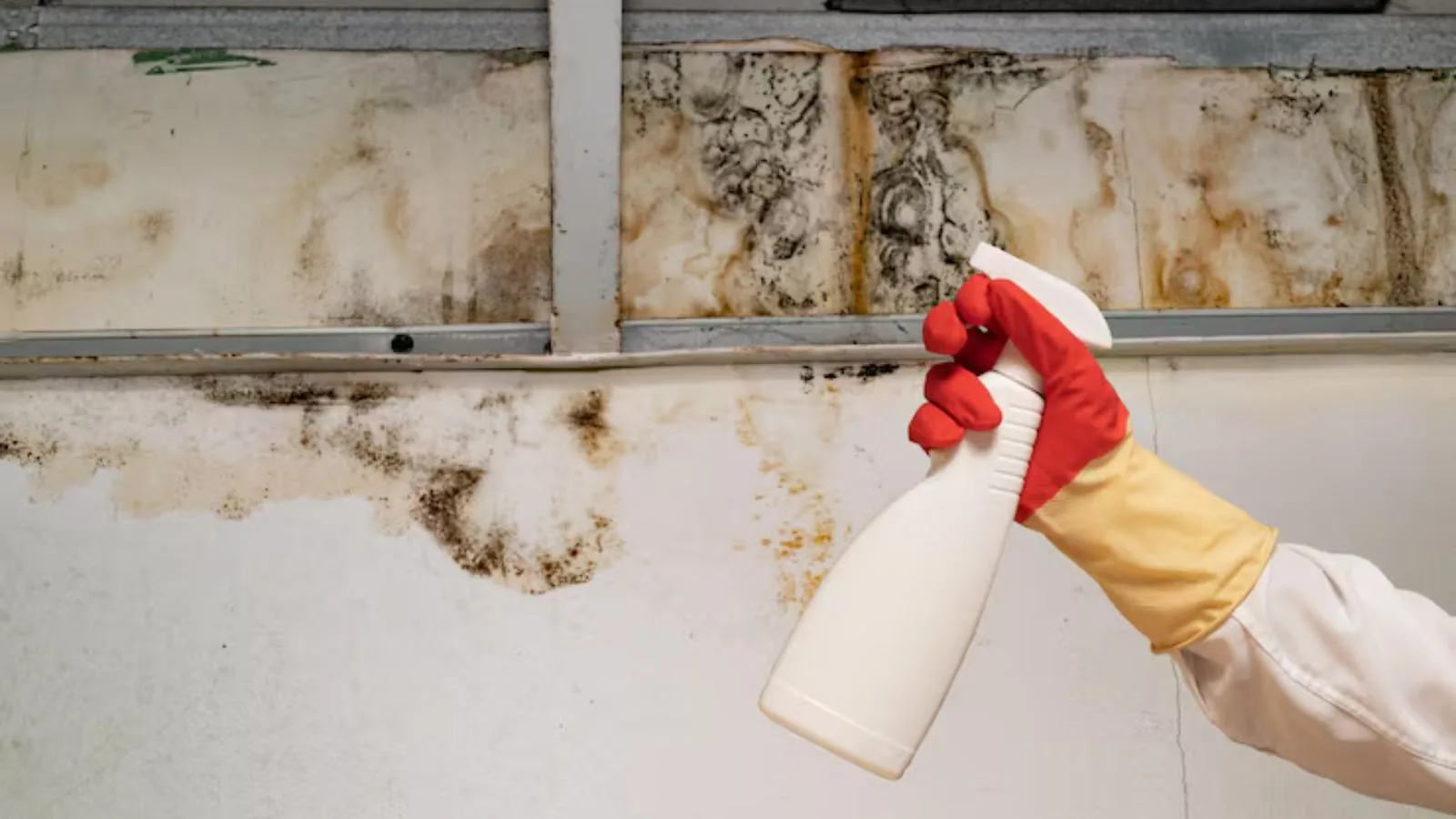
Searches for mold removal services come from people who found something on a wall, a ceiling or a basement shelf and want it gone. The first thing to know is that removal without moisture control is a temporary fix. If the wall is still wet, the growth comes back.
This page is general information. For the full service description, the mold remediation page explains how the work follows water damage.
What mold removal actually means
The industry reference for professional work is ANSI/IICRC S520. It frames remediation as controlling the moisture, containing the area, removing contaminated material and cleaning what can be cleaned.
Removal does not mean sealing it with paint or spraying a product over it. Porous materials like drywall paper, carpet pad and ceiling tile hold growth and are usually removed. Hard surfaces and framing are cleaned and dried.
The sequence of a typical job
Find the moisture
Meters and a thermal camera locate wet materials and the source.
Contain
Plastic barriers and filtered air keep spores from spreading.
Remove and clean
Affected porous material is removed and hard surfaces cleaned.
Dry and verify
Readings confirm the structure is dry before anything is rebuilt.
Why containment matters
Disturbing mold without containment can spread spores to clean rooms. Contractors use barriers, negative air and HEPA filtration so the work stays in the work area. A company that offers to wipe and spray without any containment is offering something different from remediation.
What affects the scope
| Factor | How it changes the job |
|---|---|
| Area affected | A small patch and a whole room are very different jobs. |
| Materials involved | Porous materials are removed, hard materials cleaned. |
| Moisture source | It must be fixed or growth returns. |
| Access | Attics, crawl spaces and wall cavities take more time. |
| Rebuild | Drywall, paint and flooring replacement are separate steps. |
A written scope lists what is removed, what is cleaned and what is left for rebuilding.
Seeing growth after a leak?
Call and describe where it is and when the water came in.
Signs that a mold job is being done properly
A professional job starts with moisture readings and a written plan. You should see the work area sealed with plastic, air filtration running and workers in protective gear. Removed material goes into sealed bags and out of the house without being dragged through clean rooms.
At the end, the crew should show readings that confirm the area is dry, and the scope should say what was removed and what was cleaned. If you hired a separate tester, the post-work check is done by that person and not by the removal company.
What a quote that skips containment usually means
A very low quote often leaves out containment, filtration or the moisture fix. The surface may look clean on the day, and the growth can return within weeks because the cause was never addressed. Ask what is not included and what happens if growth returns.
After the work is done
Once remediation is finished and the structure is dry, rebuilding can begin. New drywall, insulation and finishes go in only after the area is confirmed dry. Keep the moisture fix in place by monitoring humidity for several weeks, checking for new stains and keeping an eye on the plumbing or roof repair that was part of the plan.
Keep the final scope, readings and photos together. They are useful if you file a claim, sell the house or need to show a new contractor what was done.
Questions to ask before hiring
- Will you find and fix the moisture source, or only clean the surface?
- How will the area be contained and how is the air filtered?
- What is removed and what is cleaned, in writing?
- How will you confirm the area is dry afterwards?
- Is the work separate from the rebuild, and who does the rebuild?
Testing and removal are different services
Testing can show what types of spores are present and at what levels compared with outside air. It does not remove anything. Some owners choose independent testing before and after remediation, and the testing company should not be the same as the removal company if you want an independent view.
Remediation focuses on removing growth and controlling moisture. Health questions belong with a doctor.
How this connects to the rest of the house
Mold usually follows a water event, so the structural drying page describes the prevention side. Wet carpet and pad are covered on the carpet page, and wet walls on the wall and drywall page.
The line serves Attleboro and nearby areas, including North Dighton and the South Attleboro village.
What to do and what not to do before a mold crew arrives
Do not scrub, sand or spray a suspect area, because disturbing it can move material into other rooms. Stop the moisture source, keep the area closed off and photograph it. Professional mold work is guided by the published ANSI/IICRC S520 standard, and questions about health belong with a doctor.
Attleboro: permits after removal
The City of Attleboro Building Department keeps a published list of work that needs a permit. Tearing out wet drywall and rebuilding a wall can touch more than one item on it, so ask the contractor which permits apply before the rebuild starts.
The department is at 77 Park Street, Attleboro, MA 02703, and takes calls at 508-223-2222 ext. 3251. Since March 1, 2022 the city says homeowners cannot pull electrical permits and only Massachusetts licensed electricians can.
Common questions
Do mold removal services include fixing the leak?
Usually no. A plumber or roofer fixes the source, and the remediation crew dries and removes growth. The two must be coordinated.
Can mold be removed with bleach?
On small hard surfaces it may be cleaned, but porous materials hold growth and bleach does not fix the moisture behind it.
Is mold testing required before removal?
Not always. Many jobs start with an inspection and moisture readings. Testing is a separate choice.
Does Attleboro require a permit for mold cleanup?
The city lists permits for renovations, plumbing repair and similar work. Cleanup alone may differ from rebuilding, so call the Building Department at 508-223-2222 ext. 3251.